Calculation of Wiring and Protection Devices for Single-Phase and Three-Phase Motors

The electrical calculation of single-phase and three-phase motors is essential to ensure efficient, reliable, and safe operation of industrial equipment.
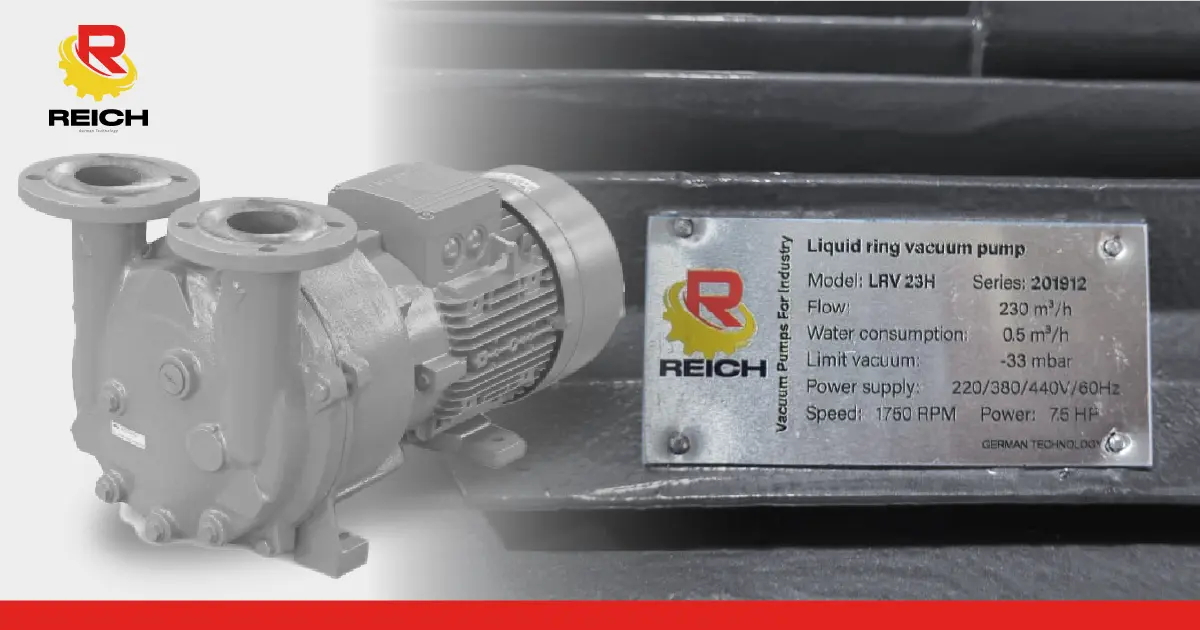
When designing or verifying an electrical installation, engineers must consider critical parameters such as power, voltage, power factor, and efficiency, all of which are listed on the motor’s nameplate.
These values allow for the proper determination of wiring size and protection devices, ensuring both continuous operation and extended motor life.
To achieve this, there are four essential steps to properly size the installation and prevent system failures.
4 Key Steps to Ensure Safe and Efficient Motor Operation
1. Initial Step:
Check the motor nameplate data, obtaining power (kW/HP), voltage, full load current (FLC), power factor (cosφ), and efficiency (η). These values are the basis for calculating the motor’s actual operating current.
2. Current Calculation:
Using the data from the nameplate, calculate the real working current. This helps compare the rated current with the expected consumption under normal conditions.
- Single-phase motor: I = P / (V x cos φ x η)
Three-phase motor: I = P / (V x cos φ x η x √3)
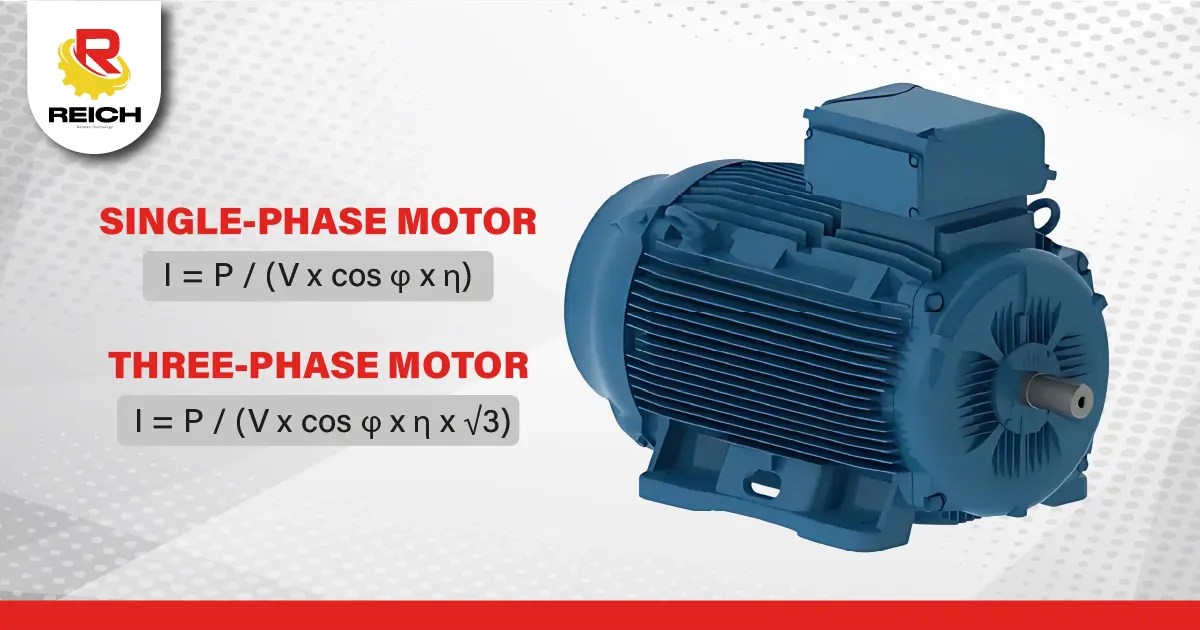
These current values are fundamental to selecting appropriate conductors and protective devices.
3. Cable Sizing:
According to electrical standards, the cable feeding the motor must be rated higher than the normal operating current, typically at least 25% more for safety.
Cable size may also vary depending on ambient temperature, grouping of cables, and installation method. To avoid excessive energy loss, voltage drop should not exceed 3%.
4. Protection Devices:
- Short-circuit protection: Use gG fuses or thermal-magnetic circuit breakers (MCCBs) with adequate breaking capacity and trip curves that handle inrush current.
- Overload protection: Install thermal or electronic relays, adjusted to 100–115% of the motor’s rated current.
- Coordination: Ensure all protection devices work together (per IEC 60947 or NEC 430) to prevent false trips and enhance safety.
Accurate calculation of wiring and protection devices for single-phase and three-phase motors is vital for ensuring efficiency, safety, and reliability in electrical systems.
By following these key steps, you not only protect the motor but also the entire installation minimizing downtime and extending the service life of your equipment.